



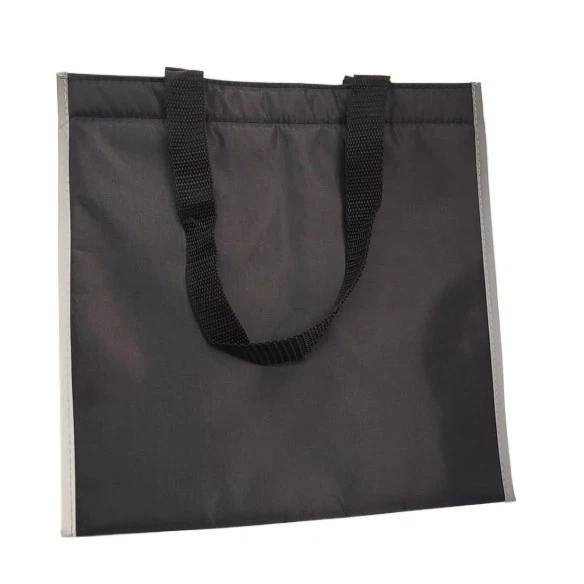
The cleaning and maintenance of insulating bags should take into account their material characteristics (such as lining aluminum foil, EPE pearl cotton, XPE cross-linked polyethylene, etc.) and usage scenarios (such as food delivery, cold chain, outdoor use, etc.) to scientifically extend the lifespan of the bags and maintain their performance.
I. Cleaning method: Material based targeted treatment.
Aluminum Foil Insulated Bags
Daily cleaning: Wipe away surface stains with a damp, soft rag. Avoid hard brush or steel wool to prevent scratching of aluminum foil coating.
If greased, dab with a small amount of neutral detergent,such as dish soap, then rinse with water and let dry.
Deep Cleansing:
For models with removable linings: separate the aluminum foil layer from the outer layer. Soak in warm water with neutral detergent for 10 minutes, then gently rub. Do not use bleach or strong acid/alkali cleaners.
Type with fixed lining: Wipe the inner wall with a soft-bristled brush dipped in diluted alcohol (75% concentration) to remove stubborn stains and disinfect.
Caution: after washing thoroughly dry, prevent residual moisture caused aluminum foil oxidation.
EPE/XPE Foam Liner Insulation Bag
Daily cleaning: Wipe surface dust with a damp cloth. For deep stains, brush gently with a soft-bristled brush and a little neutral detergent. Avoid pushing too hard or you will deform the foam.
For debris in crevices (such as food residue), use a vacuum cleaner at low altitudes or use tape to remove it.
Deep Cleansing:
Removable Liner: Rinse directly with warm water, gently squeeze any excess water and let dry. Do not rotate the dryer mechanically or use a high temperature dryer.
Fixed liner: Wrap the liner in a damp cloth, disinfect with a little alcohol and use after the alcohol evaporates.
Note: EPE material has poor temperature resistance (≤80°C). The water temperature should be controlled below 40°C during cleaning to prevent deformation.
Air Column Liner Insulation Bag
Cleaning methods:
Uninflated: Wipe the surface of the column with a damp cloth to avoid sharp objects scratching the surface.
Expansive state: For local contamination, wipe the stain with an alcohol-infused cotton swab; full cleaning is not required.
Note: Before inflating, make sure the area is completely dry to prevent moisture from entering the column and causing mold.

II. Cleaning resistance: Material determines frequency and method of cleaning
Aluminum Foil Liner:
Clean Resistance ★★★★ ★ ★
Analysis: aluminum foil surface coating is abrasive and can be rubbed frequently, but may fall off after long-term use. A deep clean once a month is recommended.
Case study: after 30 cleaning tests, the aluminum foil layer of the insulated food bag retained over 90% reflectivity, no significant decrease in insulation performance.
EPE/XPE Foam Liner:
Clean Resistance: ★★★ ★ ★
Analysis: foam structure absorbs moisture easily and frequent cleaning can cause internal structure to loosen. Wipes are recommended to be washed every 2-3 months.
Case study: After 10 washes, polyethylene sheath insulation performance decreased by approximately 15%, while XPE insulation decreased by only 5% due to a more stable cross-linking structure.
Air Column Bag Liner:
Cleanup resistance: ★★ ★ ★
III. Odor Resistance: a combination of material and sealing performance
Aluminum Foil Liner:
Odor Resistance: ★★★★
Principle: aluminum foil surface smooth, not easy to leave stains, metal ions inhibit bacterial growth, reduce odor.
Enhancement: After cleaning, add activated charcoal wrap or lemon slices to the lining to absorb any residual odors.
EPE/XPE Foam Liner:
Odor Resistance: Better ★★★ ★ ★
How it works: foam structure absorbs oil and moisture easily, providing fertile soil for bacteria. Regular cleaning and drying is necessary to maintain odors at bay.
Enhancement: After cleaning, spray a small amount of alcohol or shine an UV lamp the lining to break down the bacterial structure and reduce odors.
Air Column Bag Liner:
Odor Resistance: ★★★★
Principle: the column contains dry air, the film has good sealing properties, not easy to produce odor. However, if the liner is damaged, timely repairs are required.
IV. INTRODUCTION Anti-mold and Antibacterial Performance: Synergistic Effect materials and Additional Processes
Moldy resistance of basic materials:
Aluminum Foil: naturally mildew resistant, as metal ions inhibit the growth of mold spores.
EPE/XPE: Mould control agents (e.g. silver ions, organosilicon quaternary ammonium salts) need to be added to improve mold control. The general standard is GB/T24346-2009 Assessment of Mildew Resistance of Textiles.
Air Column Bag: The film material itself is anti-mold, but it is necessary to ensure the air column is sealed to prevent external moisture from entering.
Ways to Enhance Anti-mold and Antibacterial Properties:
1. Choose a mold-resistant coating: Some high-end thermal bags are lined with nano-silver coatings that continuously release silver ions to sterilize, reaching mold-resistant grade 0 (the highest).
Controlled usage environment: Dry the lining in time after use to avoid storage in damp environment (e.g. bathroom, basement, etc.).
Disinfect regularly: Disinfect the lining once a month with alcohol or ultraviolet light to break down the bacterial membrane.
