



Lunch bags is a portable storage tool for carrying food. Its core function is to pack lunchboxes, water bottles and other tableware, with features such as insulation, waterproofing and oil resistance. Common ingredients include:
I. Core Functions functions and Design Features of lunch bags
Basic Functions: Lunch bags are used for daily commuting, outdoor picnics and school activities. They can hold lunchboxes, water bottles, cutlery, etc. Some products achieve about 4 hours of temperature stability by adding insulation or ice packs.
Design Details:
Material Selection: Made from high-density, eco-friendly materials such as oxford cloth, nylon and polyester, it's both durable and lightweight.
Structural Optimization: comes with handles, drawstring clips or magnetic clamps for ease of carrying and sealing; some have multiple pockets for small items such as cutlery and paper towels.
Bonus features: waterproof and oil-resistant fabric to prevent liquid leakage; some styles support folding and inclusion to save space.

II. Common materials and Their Characteristics
High-Density Oxford Cloth
Features: Strong abrasion resistance and weightbearing, waterproof surface, suitable for frequent use. Purpose: Commuters use large lunch bags, compatible with double-decker lunch boxes.
Nylon
Features: Lightweight, soft, has a certain tear resistance, some products using paint to enhance water resistance.
Purpose: Lunch bags for outdoor picnics or sporting events, often used with aluminum foil liners to improve insulation.
Polyester
Features: Excellent wrinkle resistance and shape retention; relatively low cost; customizable by thermal transfer.
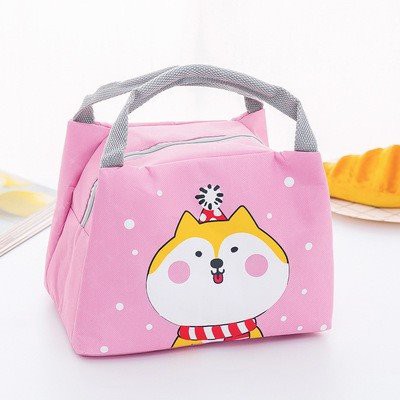
Purpose: Student's cartoon themed lunch bags, usually 27.5x20cm and weighing about 242g.
Aluminum Foil Composite Material
Features: Food-grade aluminum foil lining combines with foam or PE film to reflect heat radiation and extend insulation/ retention time.
Uses: Cases where you need to keep food warm for long periods of time, such as refrigerated medical supplies or carrying cold drinks in summer.
Environmentally friendly paper materials (e.g. kraft paper)
Features: Biodegradable, pollution-free, but less water resistance, requiring coating or lining.
Purpose: Disposable or short-term lightweight lunch bags, commonly used in exhibitions and events.
III. Material Selection Recommendations
Daily Commuting: Prioritize high-density Oxford cloth or nylon materials to balance durability and portability.
Outdoor activities: choose aluminum foil composites or thickened polyester versions materials to enhance insulation and water resistance.
Children's Use: It is recommended to choose Lightweight polyester material, avoid sharp edges and choose non-toxic paint products.
Environmental Requirements: Biodegradable paper or recyclable polyester fiber (rPET) lunch bags to reduce plastic pollution.
