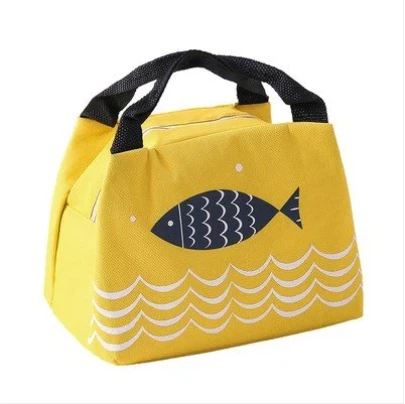
Lunch bags are typically made from a variety of materials, often chosen for their durability, insulation properties, and ease of cleaning. Common materials include:
1. Polyester or Nylon Fabric:
Durable and Water-Resistant: Polyester and nylon are popular choices for the outer shell of lunch bags because they are strong, lightweight, and water-resistant.
Easy to Clean: These fabrics are easy to wipe down and maintain, making them ideal for everyday use.
2. Neoprene:
Insulating and Flexible: Neoprene, a material commonly used in wetsuits, is soft, flexible, and provides good insulation. It helps keep food at a stable temperature for longer periods.
Waterproof: Neoprene is also water-resistant, which can protect food from external moisture or spills.
3. Canvas or Cotton:
Eco-Friendly Option: Some lunch bags are made from canvas or cotton, offering a more environmentally friendly choice. However, these are typically not as insulating unless lined with other materials.
Stylish: Canvas lunch bags are often chosen for their aesthetic appeal, offering a more casual or vintage look.
4. Insulated Foil or Thermal Linings:
Temperature Control: The inside of lunch bags often contains a layer of aluminum foil, thermal padding, or other reflective material that helps keep food cool or warm.
Heat Retention: Some may use foam or other insulating materials to further enhance heat retention.
5. PVC, PEVA, or BPA-Free Plastic Linings:
Food-Safe and Waterproof: Many lunch bags feature linings made from plastic-like materials that are safe for food contact and make the interior easy to wipe clean. PEVA (polyethylene vinyl acetate) is a common, more eco-friendly alternative to PVC.
Leak-Proof: These materials are also water-resistant, preventing leaks or spills from soaking through the bag.
6. Leather (Occasionally):
Premium or Stylish Option: Some high-end lunch bags are made from leather for a more professional or stylish appearance, though they often lack insulation compared to more practical materials.